



ZoomRx's Proprietary AI Engine
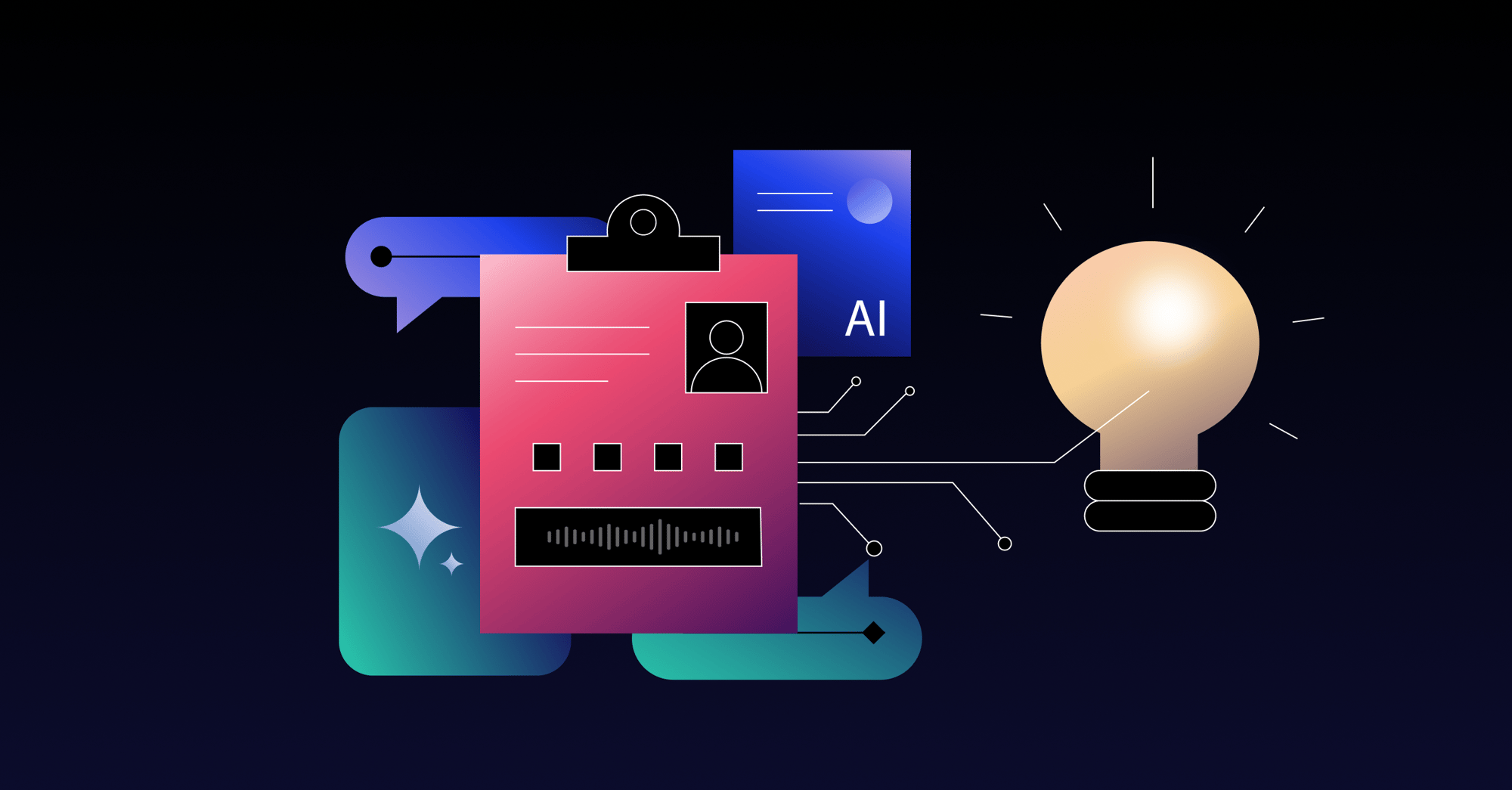
Patient Scribe is ZoomRx's voice-first conversational AI for clinical chart capture, built on Sagan, ZoomRx's proprietary AI-powered market research platform. Sagan is designed for natural language understanding, real-time analytics, and human-centered AI, enabling Patient Scribe to go beyond passive data collection. Together, they deliver richer insights and faster patient journey analytics across voice-based dialogues and patient chart audits, making ZoomRx the only vertically integrated AI solution purpose-built for life sciences chart research.

Qualitative Depth + Quantitative Rigor at Scale
93% of HCPs share that voice-powered audits help achieve the same or deeper clinical detail than traditional surveys. No more choosing between rich context and statistical power.
100% Data Completeness Through Intelligent Probing
Traditional PCAs allow respondents to skip questions, select "prefer not to answer" or provide incomplete responses—forcing analysts to work with fragmented datasets. Patient Scribe's conversational AI probes for missing details in real-time.

Better HCP Experience = Better Data Quality
77% of HCPs enjoyed voice modality. Higher engagement means richer real-world patient chart insights and maximum ROI per research dollar.
.png?width=462&height=300&name=Frame%20(2).png)
STEP 1
Secure Access
Secure Access
HCPs access de-identified patient records via a HIPAA- and GDPR-compliant secure portal. Zero personally identifiable information, or PII, is captured or transmitted, ensuring full regulatory compliance for pharma market research.
.png?width=462&height=300&name=PCA%205%20(2).png)
STEP 2
Conversational Interface
Conversational Interface
No more exhausting Patient Record Forms (PRFs). Physicians narrate patient stories naturally through voice-first AI, while Patient Scribe intelligently probes for treatment modalities, switching logic, therapy sequencing, and access barriers, capturing the clinical "why" in real time.
.png?width=462&height=300&name=PCA%206%20(1).png)
STEP 3
Real-time structuring
Real-time structuring
Patient Scribe's AI instantly extracts, structures, and categorizes key clinical information, while preserving the full, rich patient narrative. The output is clean, analyst-ready data delivered without manual transcription overhead.
.png?width=462&height=300&name=PCA%207%20(1).png)
STEP 4
Live Dashboard
Live Dashboard
Bi-weekly refreshed patient journey analytics dashboards surface prescribing patterns, competitive dynamics, and treatment barriers. From raw chart data to actionable brand intelligence in days, not quarters.
|
ZoomRx
|
|
|
|
|
|
|---|---|---|---|---|---|
| Methodology | Voice-first conversational AI; eliminates typing/clicking for HCPs. | Traditional web-based extraction; relies on manual data entry. | Traditional patient record forms (PRF); manual entry. | Mini-chart audits embedded within ATUs. | General market research; not a chart audit specialist. |
| Insight Depth | 20x richer insights; captures nuanced clinical "why" and audio evidence. | Limited to structured responses from standard questionnaires. | Focuses on scale over depth using traditional forms. | Less granular/in-depth than standalone chart studies. | Strategic insights from non-chart-focused methodologies. |
| HCP Experience | 75% highly enjoyed voice format; dramatically reduced cognitive load. | High survey burden due to manual form-filling. | Manual entry creates survey fatigue and rushed responses. | Manual review within ATU adds to HCP burden. | Standard survey-based approaches with persisting burden. |
| Oncology Readiness |
Proven leadership in complex oncology (e.g., DLBCL).
|
No track record; just launched/entering the space in Q4 2025.
|
Traditional methodology; diluted focus across syndicated/custom models. | Primary focus on ATUs limits pure chart audit capability. |
Broad consulting focus rather than specialized chart audits.
|
| Customization | 100% fully custom; tailored to brand-specific strategy. | Primarily syndicated; offers broad-strokes vs. tailored depth. | Syndicated tracker focus can dilute custom study focus. | Dependent on standard ATU designs. |
Driven by consulting engagements rather than bespoke AI audits.
|
| Technology | Advanced NLP with automated transcription & intelligent probing. | No conversational AI; relies on standard digital surveys. |
Standard digital data collection tools.
|
Standard survey platforms.
|
Analytics and modeling platforms. |
.png?width=34&height=34&name=Group%2040648%20(1).png)
.png?width=34&height=34&name=Group%2040649%20(1).png)