·
3 minute read
·
3 minute read
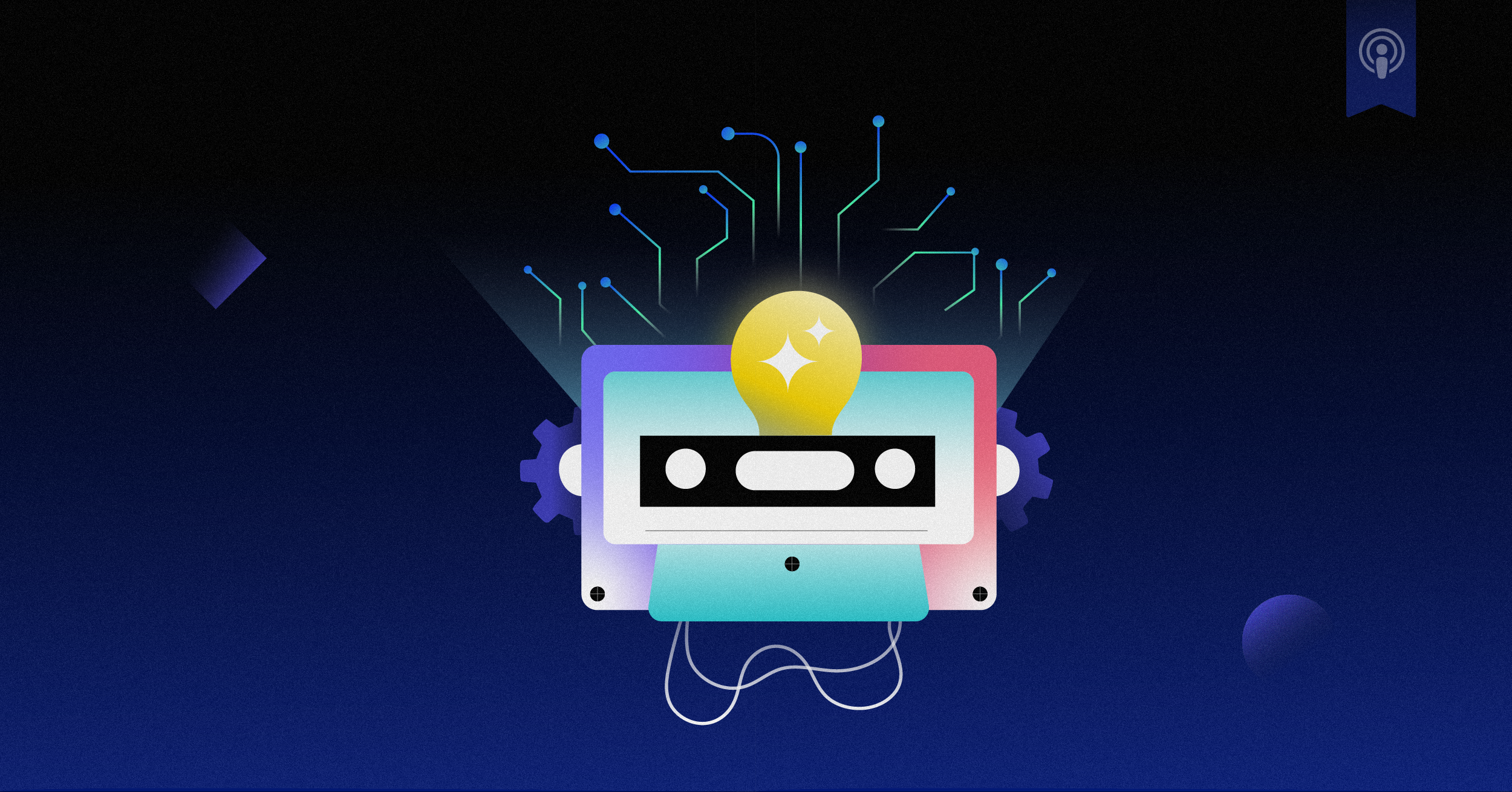
For years, John Shortell carried a box of VHS tapes from office to office - and eventually country to country. Inside were thousands of hours of recorded conversations with patients, physicians, and caregivers across a career's worth of pharma market research projects. He was convinced they were valuable. He just didn't have the technology to prove it.
"I was convinced these thousands of hours of discussions... would be an incredibly valuable resource at some point. But yeah, it was just sitting on my shelf. I tried at the time different transcription services where you could play the tape and then have - nothing worked."
Eventually, after enough international moves, he gave up: "I did throw this out because I said, you know what, it's just never going to happen." Then, immediately after: "If I'd hung on to them for like another 15 years, I think we're here now."
The Lesson Wasn't About Tapes - It Was About Timing
Shortell, a market research and insights leader with over 30 years of experience across the specialty medicines and oncology markets, has lived through more technology cycles than most people in pharma insights today. He's seen waves that delivered on their promise and waves - big data among them - that mostly didn't, largely due to healthcare data privacy constraints. The VHS story isn't really about outdated hardware. It's a case study in recognizing when a technology has finally caught up to a need you've had all along.
That's exactly how he describes his own path to becoming an AI convert - not through a corporate mandate, but through two personal experiments that happened close together. He downloaded his entire WhatsApp conversation history with a longtime friend - tens of thousands of messages - and asked an AI tool to analyze the friendship: where it strengthened, where it weakened, what the pivotal moments were. "The stuff was like bang on," he said. Then he tried it with six or seven years of his own Peloton workout data, asking which instructors he favored, how his intensity had changed, what looked unusual in the pattern. Work that used to take hours in statistical software took minutes and came back accurate.
"Engaging with these technologies in play mode, in hobbies - I think is a fantastic introduction."
Why "Play First" Beats "Training First"
Shortell's advice for pharma insights professionals trying to build AI fluency isn't a course or a certification - it's lower stakes than that. Start with something personal: a hobby, a photo of your dinner table turned into a family game, a restaurant menu scanned for vegetarian options. Build comfort before you ever ask the technology to do something that matters for your job. As he puts it, the goal is simply to "devote 15 or 20 minutes rather than scrolling on Instagram" - and treat the exploration itself as the skill-building.
It's advice that reframes his own VHS story with a sharper edge. The tapes weren't waiting on a better recording format - they were waiting on tools that could finally query unstructured human conversation at scale and return something trustworthy. That capability exists now. The insights professionals building comfort with it today, on low-stakes personal data, are the ones positioned to apply it fastest when it matters - to a real research archive, not a Peloton dashboard.
Watch the Full Conversation
Decode: AI for Life Sciences and Healthcare is ZoomRx's podcast series on how AI is reshaping market research and commercial strategy in pharma - explore more episodes .
ZoomRx is a life sciences consultancy serving 100+ biopharma companies across the globe, helping insights and brand teams turn research and AI-powered analytics into decisions that move the needle. Learn more at zoomrx.com or contact us.
Frequently Asked Questions