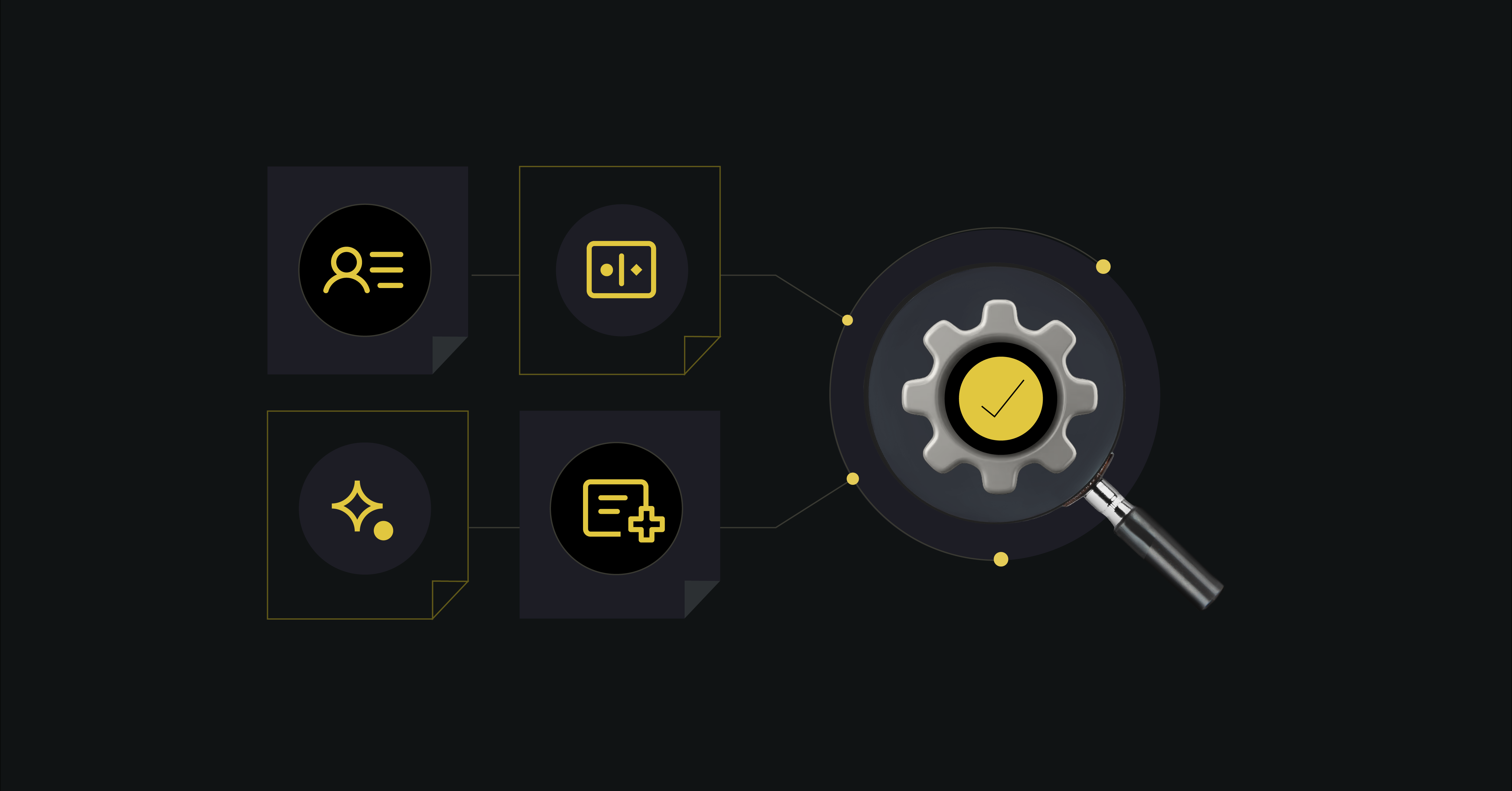
Most of the 8 to 12 weeks in a traditional pharma message testing study goes to the gaps between steps: waiting for a questionnaire draft, for programming, for a field check, for tables, for analysis, for report generation and to qc it. Each step waits on a person who is also working on other studies. Research is a slow event: weeks to field, run only a few times a year. Online surveys made fieldwork faster, yet the message testing timeline has stayed stubborn because of those handoffs, and they are the part AI agents change most.
This post walks through each stage of a study, where the time goes, and what actually changes when the work is done by agents, including the parts that should not be rushed.
How long does market research take, stage by stage?
A pharma message test moves through the same six stages whether it takes twelve weeks or one. What differs is who does the work and how many handoffs sit between stages.
|
Stage |
Where the time goes in a traditional study |
What changes with agentic research |
|
1. Brief and kickoff |
Scheduling kickoff calls, aligning on objectives, and trading emails before design can start |
The brand team states the objective in plain language, and past research in the brand's archive is already available to build on |
|
2. Study design |
A researcher drafts the questionnaire and exercises, then revises through rounds of review |
An agent drafts the study design from the objective in minutes; a ZoomRx researcher reviews it at an approval gate |
|
3. Survey programming |
The approved questionnaire goes to a programmer, then through testing and fixes |
The agent builds the survey and runs quality checks, so problems are flagged and fixed instantly |
|
4. Fieldwork |
Recruiting and fielding to HCPs, often through third-party panels |
Fielding to real HCPs from an in-house panel, through surveys or AI-moderated interviews, or to a synthetic audience with no fieldwork at all |
|
5. Analysis |
Data processing, tables, and cross-tabs, often queued behind other projects |
Agents analyze results and write the reports as soon as field closes |
|
6. Reporting |
Building and reviewing the final deck |
Results appear in the platform the next day, with a downloadable deck and Excel file |
Look at the middle column and a pattern appears: most of the delay is handoffs and queues. Survey programming, tables, and deck building are necessary, but they do not require weeks when an agent does the first pass and a researcher checks it.
What does not get faster, and should not
Speed claims in automated market research deserve scrutiny. Three things still take the time they need:
- Real HCP fieldwork. Reaching enough physicians in the right specialty takes days, and harder-to-reach specialties or larger samples take longer. That is why fielding in MAT ranges from 5 to 7 days..
- Human judgment on design. An agent can draft a study in minutes, but a researcher still reviews the design at each approval gate and signs off on high-stakes tests.
- Brand team approval. The brand team approves every set of messages or assets before it goes to respondents. Nothing reaches an HCP without that sign-off.
Faster research that skips these steps is just faster guessing. The time savings should come from removing waits while every check stays in place.
What results in days make possible
The practical effect of rapid message testing shows up in which questions become worth asking. Compare two brand teams facing the same decision: new data lands and one page of the core visual aid needs to change.
- On a traditional timeline: the team has to select a vendor, brief them on the brand and the change, negotiate scope, and wait for fielding to begin. All of that takes longer than the refresh window, so the team updates the page on judgment and moves on.
- On a timeline measured in days: the brand context is already in the platform, the paperwork is done, and the HCP cohort is already defined. The team programs the test in about an hour, fields it with a short pulse of real HCPs, and has results before the page goes to production.
The same logic applies to email subject lines before a campaign send, banner versions of a winning message, or a segment-specific rewrite. When a test fits inside the decision window, it gets run. We explore how those channel versions go untested today in why a messaging blueprint has an activation gap, and where synthetic rounds fit between real-HCP studies in synthetic HCPs vs real HCPs.
How MAT shortens the message testing timeline
Marketing Asset Testing (MAT) by ZoomRx is an AI-powered application for pharma message and marketing asset testing that replaces long studies with turnkey, cost-effective, iterative tests. It is built on Sagan Agents. It runs the six stages above in one place:
- Setup in 1 to 2 days: the study starts from the brand's past research in Data Archive Intelligence, and agents draft and build the study through Agentic Market Research.
- Fielding in 5 to 7 days: to real HCPs from ZoomRx's 65K+ proprietary panel, or to a synthetic audience between real-HCP rounds.
- Next-day results: in the platform, as a deck, and as an Excel file.
MAT is currently available for the US market. Like any message test, it shows how options perform relative to each other and does not forecast prescriptions, share, or sales.
Test inside the decision window
The Marketing Asset Testing white paper shows how brand teams replace long studies with cost-effective, iterative tests, each sized to the decision in front of them. Download the white paper.
Frequently asked questions