·
5 minute read
·
5 minute read
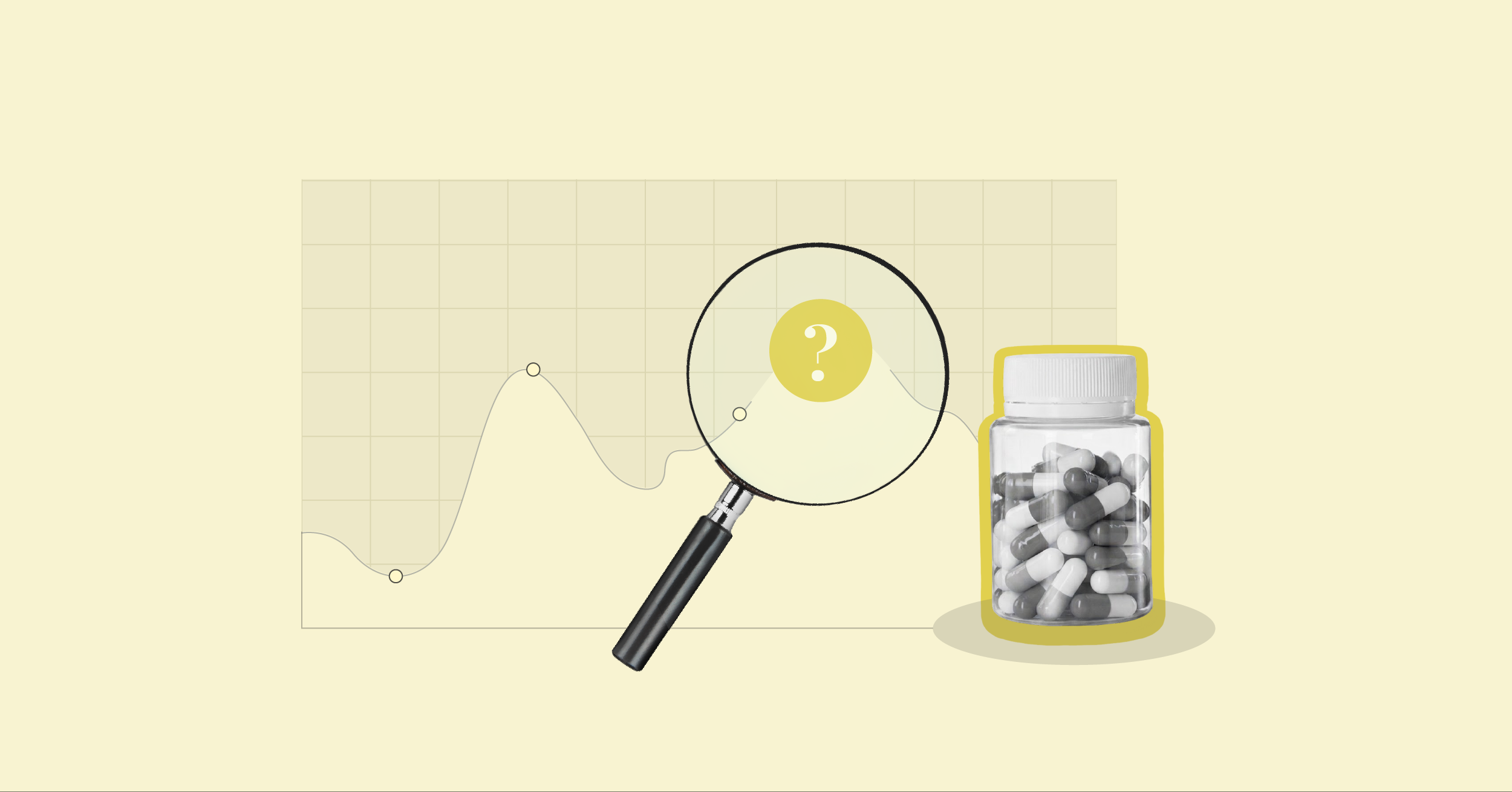
Generic AI tools like ChatGPT fall short for pharma market research because they have no access to an organization's own research archive, no domain-specific training on pharma commercial data, and no ability to field primary research like HCP interviews or patient surveys. They can summarize a document you paste in, but pharma insights teams need something that can search years of past studies, run new studies against real HCP and patient panels, and meet the compliance and audit standards of a regulated industry. That gap is why AI market research platforms built specifically for life sciences have emerged as a distinct category, separate from general-purpose chatbots.
What "AI Market Research" Actually Means for Pharma Teams
AI market research, in the way pharma brand teams and medical affairs actually need to use it, means AI that can do three things: query an organization's existing research the way you'd ask a colleague, design and field new primary research when a real gap exists, and turn both into deliverables, decks, spreadsheets, and reports, that meet the standards of a regulated industry, citations included. That is a meaningfully different job than summarizing a single uploaded PDF.
Where Generic AI Tools Fall Short for Pharma Market Research
No access to your organization's research history
General-purpose AI chatbots only know what's in the current conversation plus whatever gets uploaded to it. They can't search across every ATU, PET, or advisory board a company has run over the past several years unless someone manually feeds each file in one at a time, and even then, the tool has no persistent memory of that organization once the conversation ends.
No domain-specific pharma data or benchmarks
A general-purpose model is trained on the open internet, not on 15+ years of proprietary HCP and patient panel data or pharma-specific benchmark datapoints. Ask a generic AI tool to assess a message test result against category norms, and it has nothing pharma-specific to measure it against.
No ability to field primary research
When the answer genuinely doesn't exist anywhere in past research, a chatbot cannot design a screener, recruit HCPs or patients, moderate an interview, or field a conversational survey. It can help draft a discussion guide, but it cannot execute the study or reach real respondents.
Hallucination and citation risk in a regulated industry
General-purpose AI models are also known to occasionally generate plausible-sounding but incorrect information, commonly called hallucination. In pharma, where a deliverable might inform a launch strategy or get shared with a regulatory-adjacent stakeholder, an unsourced or fabricated data point is a real risk, not just an inconvenience. A response without a traceable citation back to the original deck, dataset, or transcript is difficult to defend under scrutiny.
Data privacy and compliance exposure
Uploading proprietary pharma data, including anything that touches patient or HCP information, into a public AI tool carries real risk. Zscaler's 2026 AI Threat Report found a 93% year-over-year increase in employees transferring sensitive enterprise data into AI tools, and identified more than 410 million data-loss-prevention policy violations tied specifically to ChatGPT, including violations involving healthcare data and other regulated content (Infosecurity Magazine, June 2026). For a pharma organization bound by HIPAA and internal data governance policies, that's a meaningful exposure most teams don't intend to create. (Data as of June 2026; AI tool usage patterns and vendor policies change quickly.)
Generic AI Chatbots vs Purpose-Built AI Market Research Platforms
| Key Considerations
|
General-Purpose AI Chatbots (e.g., ChatGPT) |
Purpose-Built AI Market Research Platforms |
|
Data foundation |
Only what a user uploads manually, no persistent organizational memory |
Proprietary pharma data, HCP and patient panels, full organizational research archive |
|
Can field new research |
No |
Yes, survey and interview design, fielding, and analysis |
|
Domain benchmarks |
None built in |
Pharma-specific benchmarks built into every analysis |
|
Output |
A chat response |
Deliverable-ready decks, spreadsheets, and reports with citations |
|
Data governance |
Public tool; enterprise data upload carries real risk |
Built for pharma procurement, including SSO, role-based access, and audit logging |
What AI Market Research Should Actually Look Like
Based on the gaps above, a real AI market research solution for pharma needs to do more than answer questions in a chat window. It needs to search an organization's own research the way a colleague would, know when a genuine data gap requires new primary research versus when the answer already exists, field that new research through real HCP and patient panels or synthetic audiences when speed matters most, and return every answer as a citable, deliverable-ready output. It also needs to meet the data governance standards a regulated pharma organization requires, not the standards of a consumer tool.
This is the specific gap Sagan Agents, ZoomRx's agentic operating system, was built to close. We cover what the platform is and how it works in more depth in What is Sagan Agents?
How Sagan Agents Closes These Specific Gaps
Sagan Agents was built around three modules, each solving one part of the trade-off traditional research and generic AI tools both force pharma teams to make:
- Data Archive Intelligence makes an organization's own research, decks, reports, claims data, and CRM records, searchable in plain language, with every answer traceable back to its original source.
- Agentic Market Research designs, fields, and analyzes new primary research, through ZoomRx's proprietary HCP and patient panels for real-respondent depth, or synthetic audiences when speed matters most, in days rather than the 6-8 weeks a traditional study takes.
- Strategic Insights Agents run expert-grade analysis, like segmentation, message testing, or competitor tracking, using methodologies encoded from ZoomRx's own specialists.
Because the platform is built specifically for pharma procurement requirements, it also supports SSO integration, role-based access controls, audit logging, and bring-your-own-API-key deployment, addressing the data governance gap that comes with using a public AI tool. (More on this in AI governance and evidence trails in life sciences research.)
See What a Purpose-Built AI Market Research Platform Can Do
If your team is currently pasting research questions into a general-purpose AI tool and hitting these same walls, an agentic operating system built for pharma from the ground up solves the problem differently. Visit the Sagan Agents page to see the full platform, or use the form below to start a conversation about a pilot.
Frequently Asked Questions
This post references the publicly documented capabilities of ChatGPT and other general-purpose AI tools, and third-party industry research, as of June 2026. AI tool capabilities and vendor data policies change quickly; refer to each vendor's current documentation for the latest specifics.