Your organization has already paid for the answers. The problem is that years of primary research, claims data, CRM exports, CI reports, forecast models, and sales analytics are locked in static PowerPoints and siloed databases that no one can search across. Pharma data archive AI changes that equation: instead of assembling five dashboards and re-commissioning a study at six figures, you query what already exists. That is the core function of the Data Archive Intelligence module inside Sagan Agents.
The Cost of Siloed Intelligence
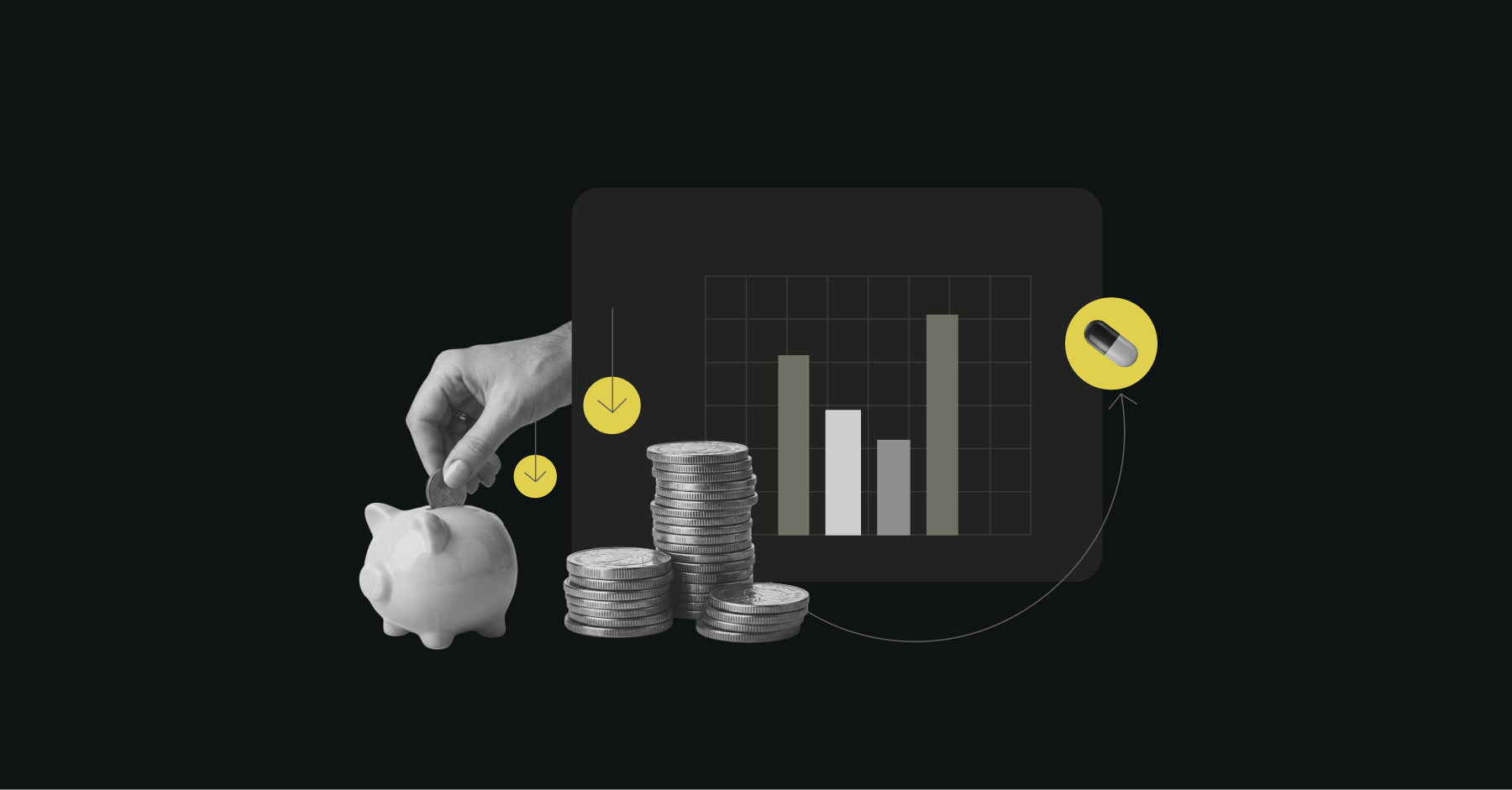
In a typical pharma brand team, 35-45% of questions have already been answered in some form, according to ZoomRx’s analysis of client project histories. The answer is sitting in a folder, in a sales analytics dashboard no one connects to the MR findings, in a CI report filed when the product team changed, or in a forecast model locked in a spreadsheet three finance cycles old. The team commissions a new study or rebuilds the analysis from scratch. Six to eight weeks and often $100,000 or more later, the answer arrives and goes into the same folder.
That is not a research problem. It is an architecture problem. The intelligence exists. The access does not.
How Does Pharma Data Archive AI Work?
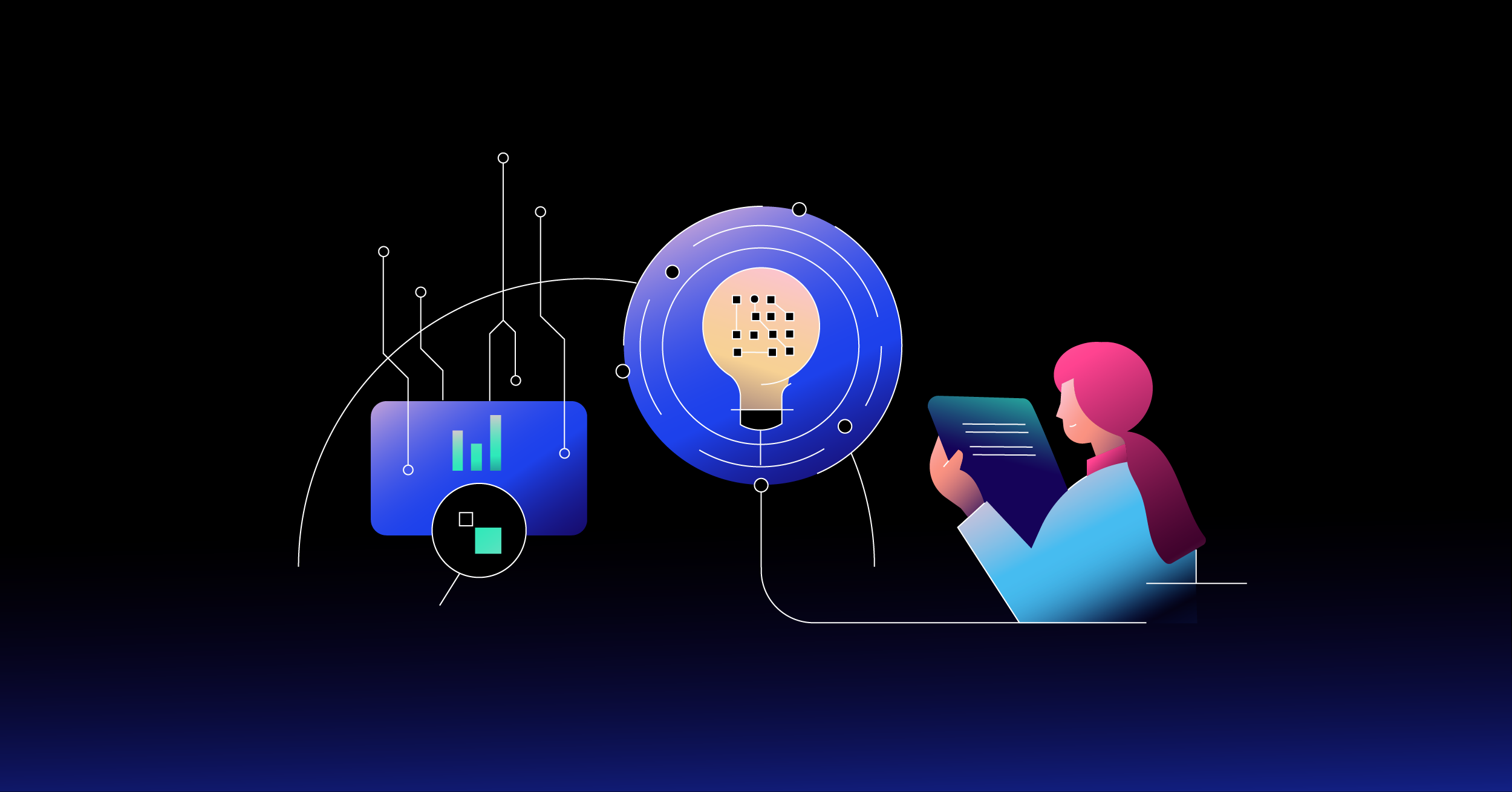
Data Archive Intelligence ingests your entire corpus of historical market research, commercial data, and operational records, then makes it analyzable in natural language. AI agents search across qualitative transcripts, quantitative survey datasets, claims data extracts, CRM exports, and territory-level sales performance simultaneously. The platform returns a deliverable-ready answer with citations in seconds — not a chat response that requires reformatting, but a finished output in the formats your stakeholders already expect: PowerPoint decks, Excel cross-tabs, or formatted memos.
The technical foundation is vectorized storage: all historical data — qualitative and quantitative research, claims extracts, CRM records, CI reports, and forecast models — is converted to vector embeddings, searchable by theme, therapeutic area, time period, and data type. The platform does not perform keyword matching. It understands context. A brand tracker from three years ago, a CI report from a competitive entry, a forecast model from last quarter, and a claims-based prescribing trend can all surface together in a single synthesis, with each source cited and linked.
Gap Detection: Know What You Do Not Know
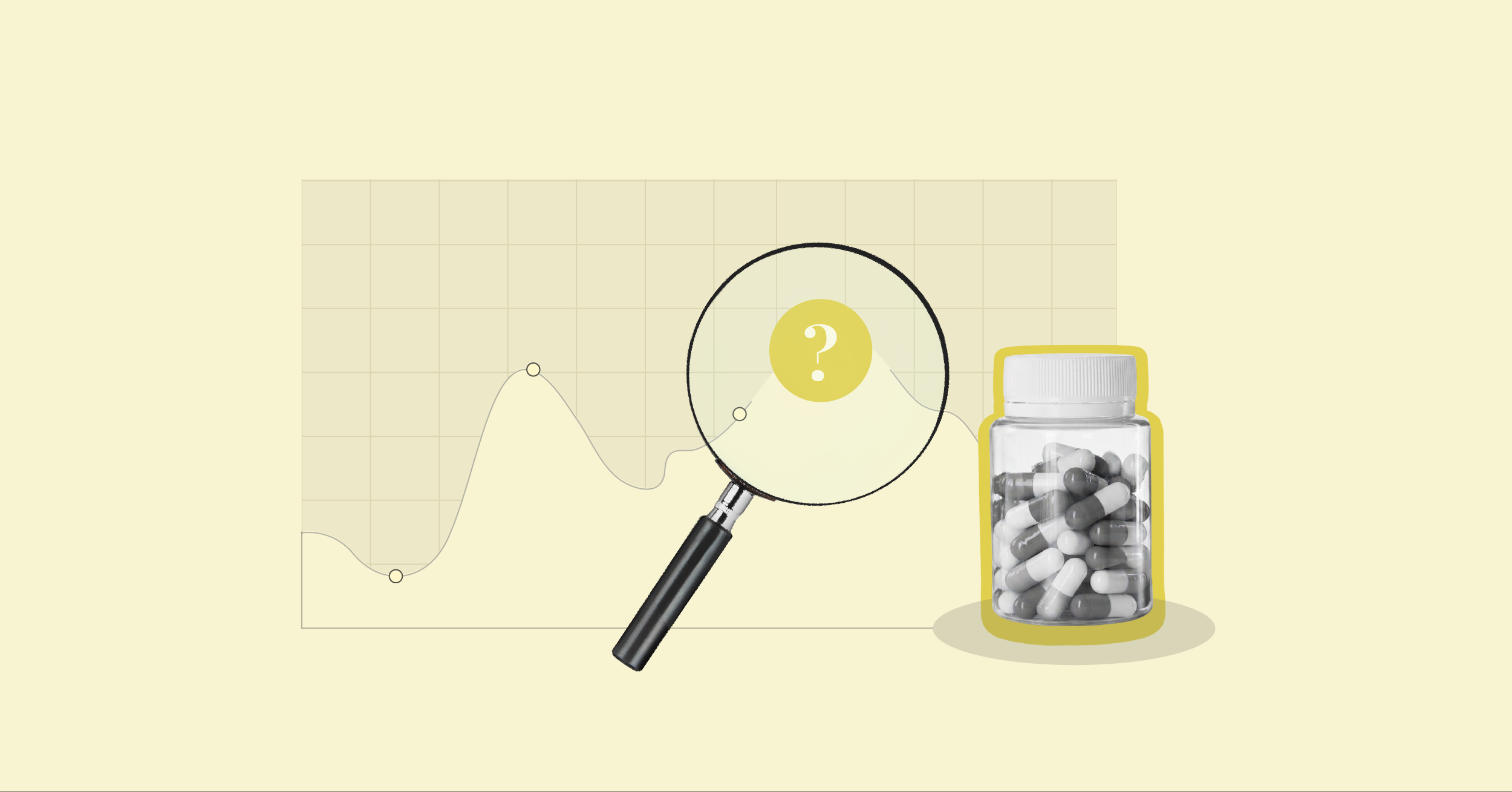
Beyond surfacing existing knowledge, Data Archive Intelligence continuously maps what is known versus unknown across brands, indications, and geographies. When the platform identifies a gap - a question your archive cannot answer, flags it before you spend on new research and auto-generates a draft research brief for review. This prevents the most expensive mistake in pharmaceutical market research: commissioning a study that duplicates work already done.
ZoomRx's analysis of client data indicates that organizations using Data Archive Intelligence reduce new primary research commissions by 30-40%. The platform does not eliminate new research. It ensures that when new research is commissioned, it is filling a genuine gap and not repeating what is already known.
Why Domain Expertise Changes the Output
Any platform can run a keyword search across a folder of PDFs. What separates pharma data archive AI from generic document search is what happens downstream of the retrieval. ZoomRx designed and delivered much of the primary research that sits in client archives and understands how it connects to the claims data, CRM records, and commercial analytics alongside it. The platform’s understanding of the data goes beyond what findings say — it captures how studies were constructed, what the sample looked like, and how the results relate to prescribing trends and field performance in the same therapeutic area.
That depth shows up in the output. An answer generated by Data Archive Intelligence is grounded in 15 years of pharma-specific domain expertise and more than 700 million benchmark datapoints from ZoomRx’s proprietary research intelligence. The platform knows what a rigorous ATU analysis looks like, what a claims-based share anomaly signals in context, and how a CI report connects to a forecast variance. Generic AI tools do not.
The Starting Point for Continuous Intelligence
Data Archive Intelligence is the foundation of Sagan Agents - the module that every other capability is built on. Results from Agentic Market Research flow back into the archive automatically after each study, so every new piece of primary research makes future queries more accurate. The system is designed to compound: the more you use it, the more valuable the archive becomes.
For organizations with existing ZoomRx engagements, Data Archive ingestion takes days. The platform arrives understanding your data at a methodological level from the start, because ZoomRx built the studies. For a free pilot on your own data, contact us or explore the full Sagan Agents platform.