·
3 minute read
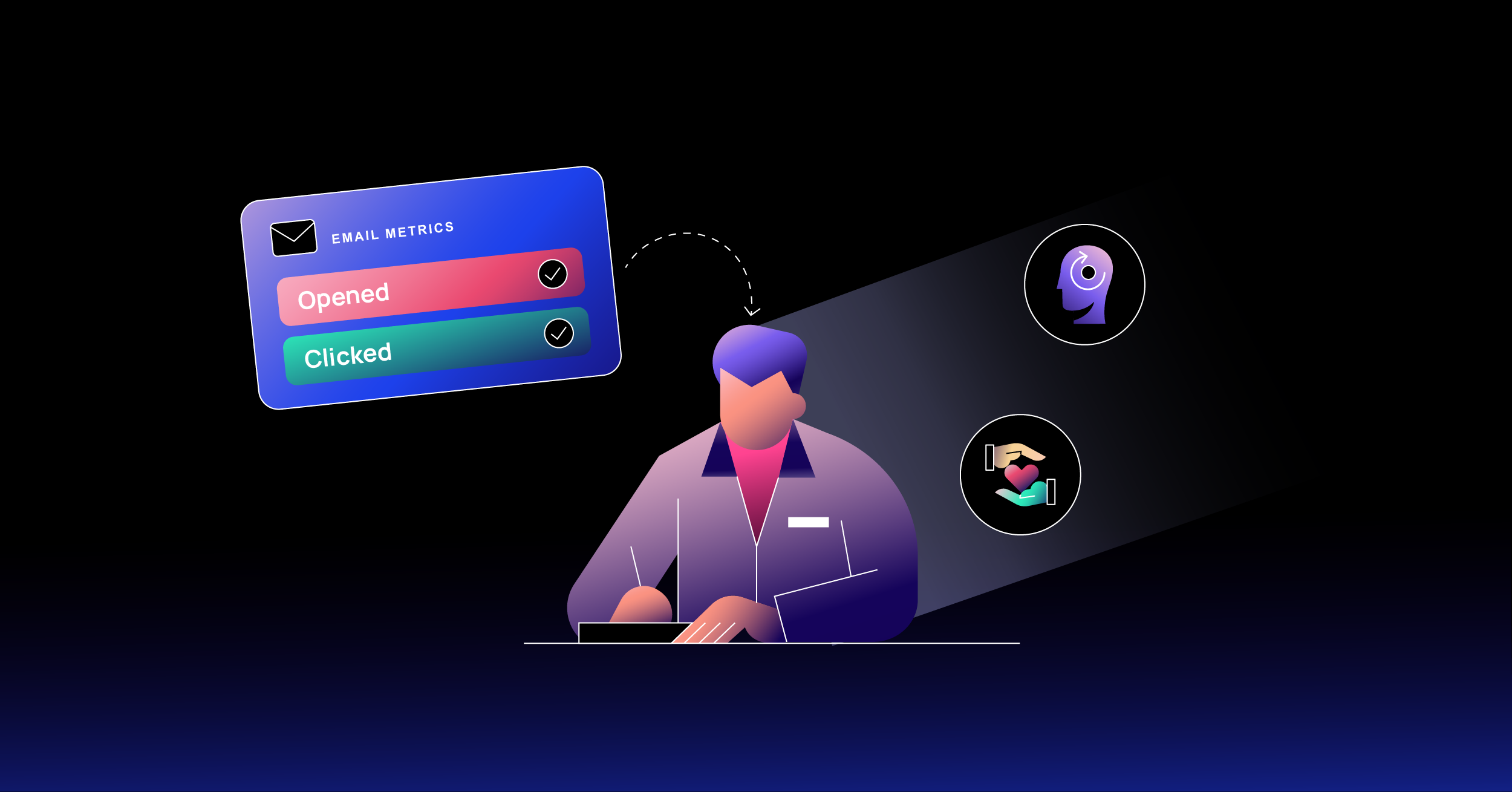
An email campaign about a new efficacy message posts a strong open rate and above-target clicks. The brand team marks it a success. Months later, prescription data comes in flat, and nobody can say whether the message failed to persuade, persuaded the wrong physicians, or never reached the ones who mattered.
Omnichannel marketing in pharma produces more engagement data than ever, and most of it answers one question: did the HCP pay attention? The question budget owners ask is different. It is the fourth question in the whitepaper "Five Questions Your Promotion Dashboard Wasn't Built to Answer" by Chitra Alagarsamy: did engagement change anything?
What opens and clicks can tell you
Engagement metrics are good at what they were built for. An open rate tells you a subject line worked. A click tells you the content was interesting enough to pursue. Time on site tells you someone read. For targeting and sequencing, these signals are useful, and next best action programs depend on them.
What they measure is attention. A physician can open every email in a sequence and still not believe the efficacy story, or believe it and keep prescribing as before. HCP digital engagement data records the behavior. It can't record the conclusion the physician reached.
The gap between a click and a prescription
Prescription data does answer whether promotion changed behavior. It arrives late, though, often months after a media touch, and by then the campaign has run its course. A team that waits for script data to judge a message has no room to adjust it.
Between the click and the prescription sits the question that decides next year's budget: is this message moving belief? Answering it needs measures that come from the physician.
This is one of five gaps in how pharma measures promotion. Download the full whitepaper for all five questions and what answering each takes for omnichannel HCP engagement.

Three HCP-side measures that sit between attention and prescribing
Leading indicators of persuasion come from asking HCPs directly, in research that is blinded and reported by segment. Three measures carry most of the weight:
- Message recall. Which of your messages physicians remember, unprompted and when prompted. Recall shows whether the message survived the noise of every other brand in the category.
- Belief and perception. How physicians rate the message on believability, differentiation, and motivation. A remembered message that physicians don't find credible is unlikely to move prescribing.
- Stated intent to prescribe. Whether physicians say they plan to change what they prescribe. Treat it as an association with prescribing, since it does not prove cause, and track how it moves alongside recall and belief.
How to track recall and belief wave over wave
The value of these measures comes from repetition. A practical setup:
- Measure the same message across consistent waves, so a shift in recall or believability shows up within weeks.
- Report by segment, including low-engagement physicians, so the read covers the full target list, including HCPs who rarely click.
- Put engagement and HCP-reported results on the same page for each message, so the team can see where attention and persuasion part ways.
- Adjust the message, the channel mix, or the audience when belief stalls, then check the next wave.
More engagement isn't always the goal. Physicians already face a heavy volume of promotional content, and extra touches that don't sharpen the message can add to what they tune out.
Engagement metrics and the HCP measure to pair with each
|
Engagement metric |
What it shows |
Pair it with |
|
Open rate |
The subject line earned attention |
Unaided recall of the message |
|
Click-through rate |
The content was worth pursuing |
Aided recall and believability |
|
Time on site |
The HCP read the content |
Perceived differentiation of the message |
|
Repeat engagement |
Ongoing interest in the brand |
Stated intent to prescribe, tracked over waves |
Recall and belief also depend on what competitors are saying to the same physicians, covered in What Is Your Competitor Saying to the Same Physicians?. For the rep-call side of the same question, see Is Pre-Call Intelligence Helping Reps Have Better Conversations With HCPs?.
Start with the question you need answered
Before your next promotional budget moves, check which of the five questions your team can answer today. Download Five Questions Your Promotion Dashboard Wasn't Built to Answer by Chitra Alagarsamy, ZoomRx.
Where you go next depends on which gap is costing you most. If it is the rep call, Promotional Effectiveness Tracking (PET) reads HCP message recall right after rep interactions and again at later touchpoints. If it is digital, Digital Tracker shows what verified HCPs actually encounter across ads, search, email, and healthcare sites, beyond clicks and impressions. And if the question is what all of it does for prescribing, Promotional Impact and Sales Force Effectiveness links promotional activity to prescribing outcomes across rep and omnichannel promotion.
Frequently asked questions